Itinerary
Day 1: Kilimanjaro Airport / Arusha
Our friendly safari team will welcome you to Kilimanjaro Airport, and they will transfer you to Arusha. Arusha is one of the major coffee-growing regions in Tanzania.
Stay: Kahawa Lodge
Meals: Dinner & breakfast
Day 2: Arusha / Tarangire National Park / Lake Manyara
After breakfast, we meet our guide for a short briefing. We head off to Tarangire National Park, known as the land of giants – elephants and baobab trees. The landscape is ironically African with open Acacia woodlands and Baobab trees scattered all over the area. It has the greatest concentration of wildlife outside the Serengeti ecosystem.
Late afternoon we travel towards the local town of Mto Wa Mbu (Maasai for Mosquito Village – the only place in Tanzania which represents all tribes – 120 ethnic groups). We continue to drive up the Rift Valley escarpment to our lodge, perched on the edge of the Rift Valley with distant views over Lake Manyara.
Stay: Lake Manyara Serena Safari Lodge
Meals: Picnic lunch, dinner & breakfast
Day 3: Lake Manyara / Ngorongoro Crater
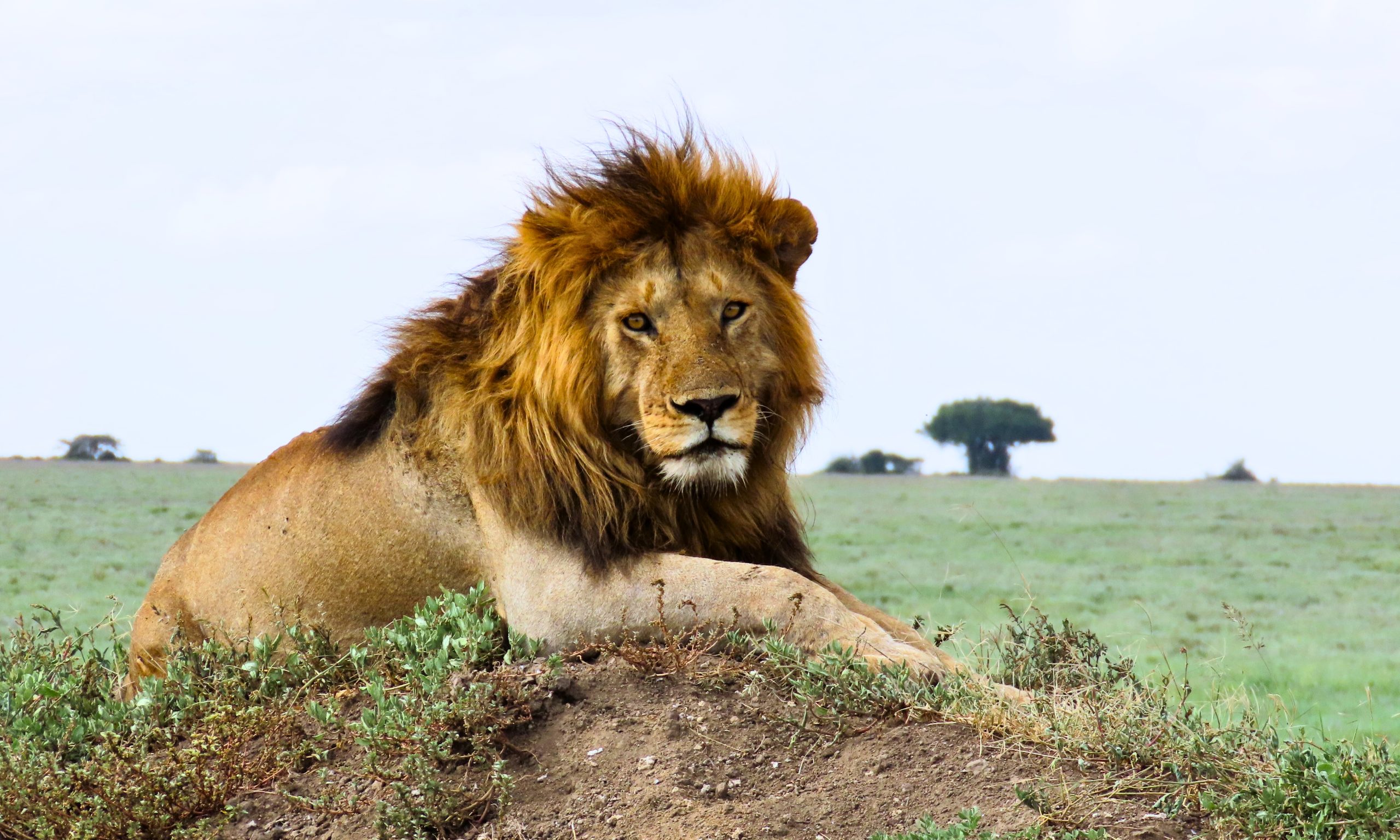
After breakfast, we drive from Lake Manyara with a stop at the African Galleria (for shopping Tanzania art, Masaai blankets, memorabilia, and Tanzanites), before driving to the Crater to enjoy an extended game drive along the Crater floor. A steep entry track leads us 600m down to the magnificent Ngorongoro Crater floor (referred to as the Garden of Eden). A big drawcard to this picturesque park is its dense population of predators, which includes lions, hyenas, jackals, and the ever-elusive leopard. People like to visit the crater at this time of year because of the large likelihood of encountering the Big 5. Late afternoon ascent to the crater rim with a short drive to your camp, enjoying views of the surrounding highlands which form together with the Crater one of Africa’s most beautiful regions.
Stay: Ngorongoro Serena Safari Lodge
Meals: Picnic lunch, dinner & breakfast
Day 4: Ngorongoro Crater / Serengeti National Park (Central)
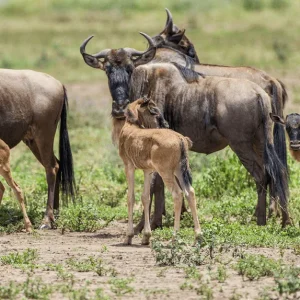
After breakfast, we continue our journey to the Serengeti National Park with the option to visit a Maasai village near Ngorongoro Crater (own account). After bidding the Maasai farewell, we continue our journey to the Central Serengeti with game viewing as we make our way towards the camp. The Central area encompasses the world-famous Seronera Valley which is known for its prime wildlife-viewing opportunities. You can visualise the meaning of the word ‘Serengeti’ at this point – which means the ‘endless plains’ in Maasai. The Serengeti – is renowned for its incredible concentrations of predators and the Great Migration of more than 1,5 million wildebeest and hundreds of thousands of zebras.
Stay: Signature Serengeti Tented Camp
Meals: Picnic lunch, dinner & breakfast
Day 5: Central Serengeti / Northern Serengeti
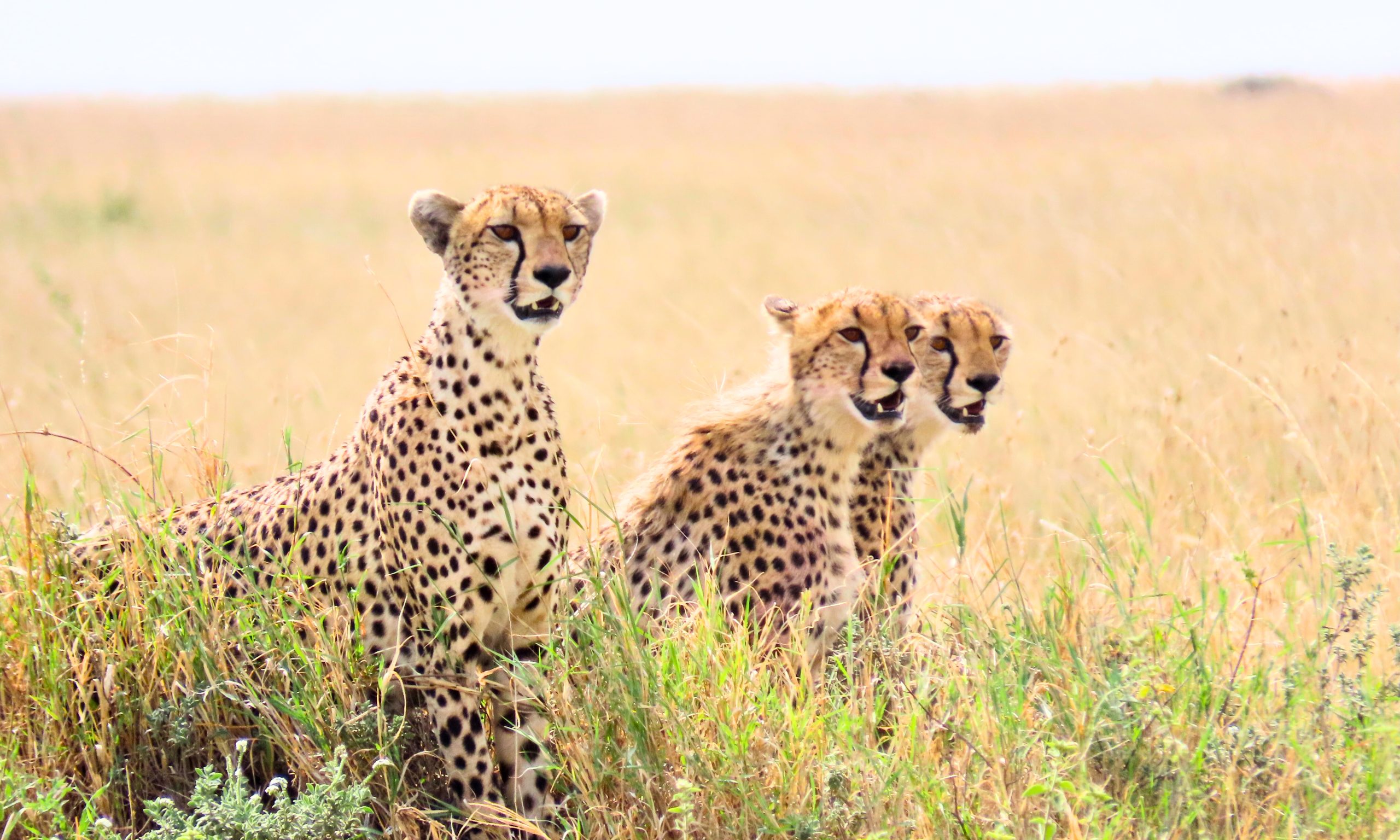
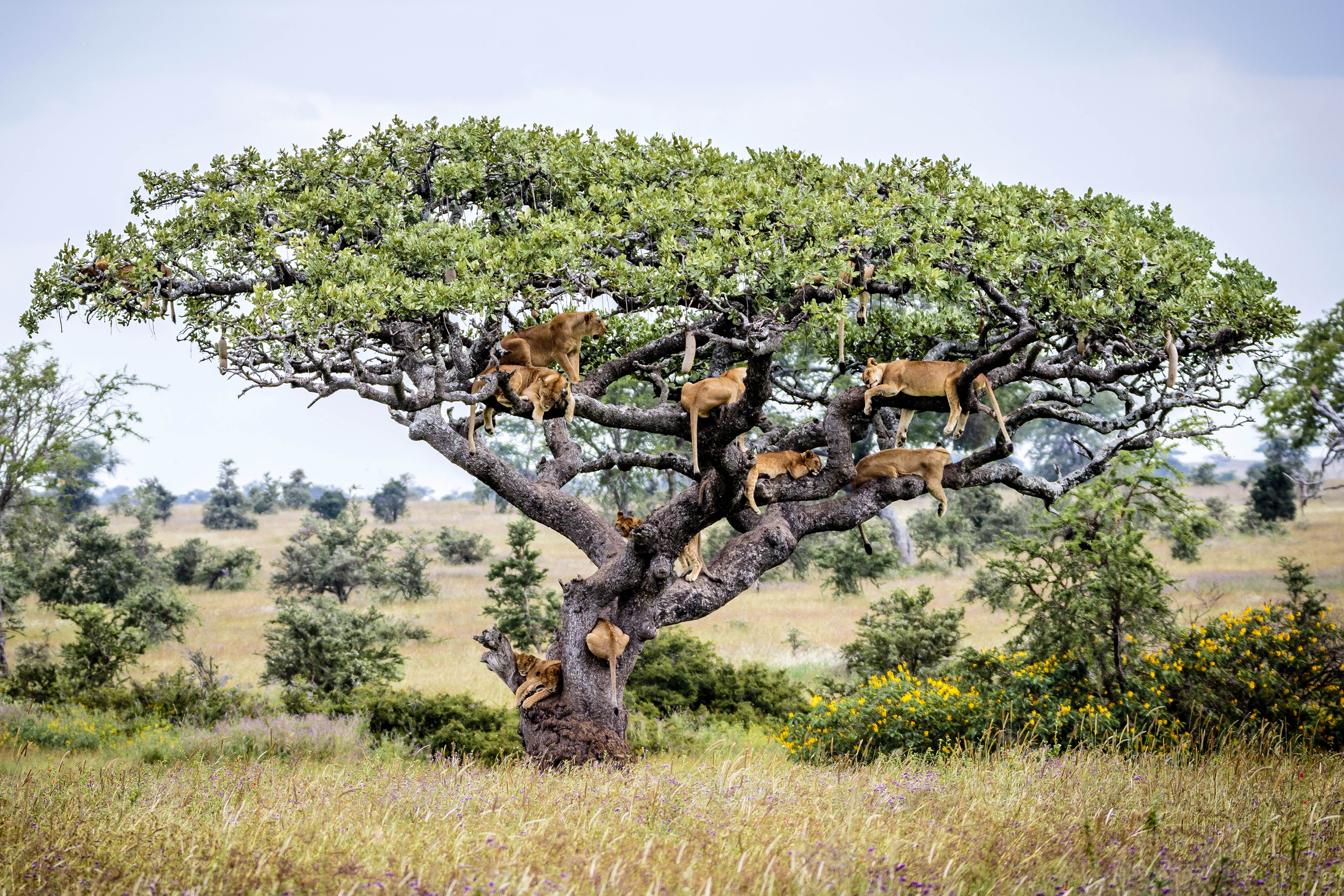
We explore more of the Central Serengeti before we are off to our next location in the Northern Serengeti, Kogatende. The Seronera is often referred to as ‘big cat country, and its kopjes and acacias provide an excellent opportunity to spot a pride of lions, cheetahs, and leopards. We drive towards the beautiful Northern Serengeti enjoying en-route game viewing. The Northern Serengeti is virtually unexplored. With spectacular landscapes and magnificent wildlife, it offers an incredible and unforgettable Serengeti safari experience.
Stay: Mara Under Canvas.
Meals: Picnic lunch, dinner & breakfast.
Day 6 & 7: Northern Serengeti
Balloon Safari – optional
Enjoy two full days in Serengeti with game drives. You can do a game drive from sunrise to sunset, take a picnic lunch, or choose to explore more leisurely, coming back to the camp for lunch and doing a morning and afternoon game drive. Explore more of what the Serengeti offers and enjoy the greatest safari spectacle in the world – the great wildebeest migration as herds of wildebeest gather at the Mara River to cross! During this period herds are crisscrossing between the Masai Mara and the Serengeti on a regular base.
Stay: Mara Under Canvas.
Meals: Picnic lunch, dinner & breakfast.
Day 8: Northern Serengeti / Arusha / Kilimanjaro Airport
Check-out at the camp after a packed safari filled with endless memories and sightings and drive to the airstrip for our flight by light aircraft to Arusha where we stop at the Cultural Heritage Centre (for shopping of Tanzania art, memorabilia, and Tanzanites), and enjoy our picnic lunch. Our safari adventure comes to an end as we drive to Kilimanjaro Airport.
End of service