| 公园 |
National Parks
Samburu National Reserve
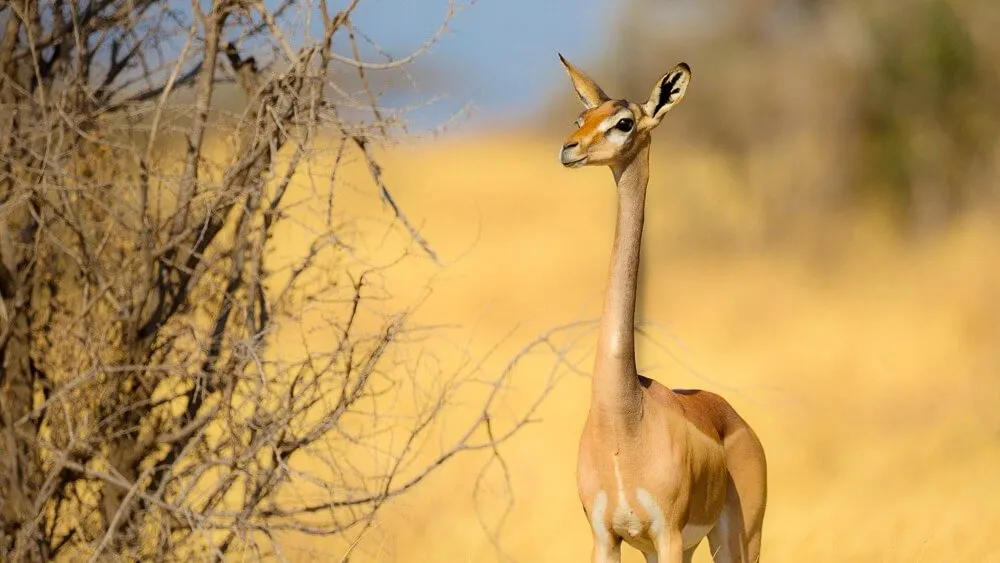
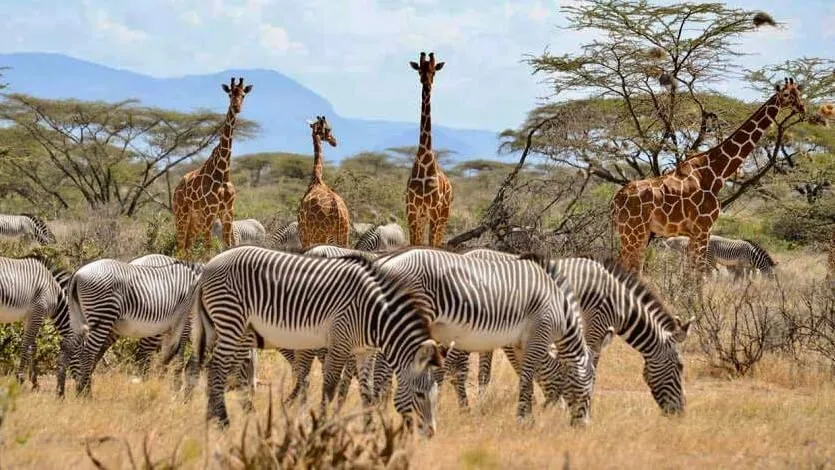
Samburu (“butterfly” in the local Maa language) consist mostly of semi-arid savannah, rough highlands and riparian forests. As a wildlife reserve, it doesn't disappoint. Sightings of the Big Five are prodigious and you have a possible chance of seeing packs of wild dogs and the critically endangered pancake tortoise – two very rare species. Cheetah sightings are particularly good. Above all, though, Samburu is known as elephant country. Here, in addition to the more formidable predators, you will find the beautiful dry-country animals of Northern Kenya known as the "Special Five". This includes the gerenuk, Oryx, reticulated giraffe, Somali ostrich and the endangered Grevy's zebra.
Lake Naivasha National Park
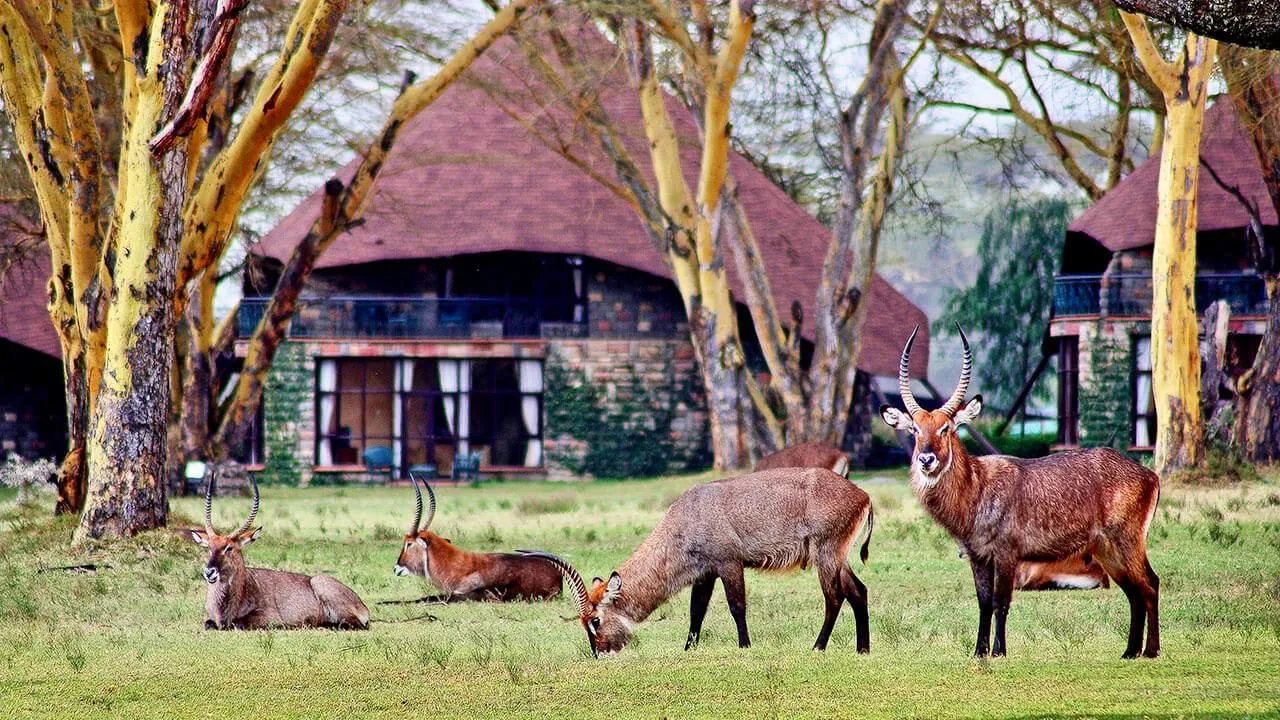
Lake Naivasha is a beautiful freshwater lake, fringed by thick papyrus. The lake is almost 13 km across, but its water is shallow with an average depth of only 5 meters. The lake draws a big variety of game to its shores. Giraffes wander among the acacia, buffaloes wallow in the swamps and Colobus monkeys call from the treetops while the large hippo population sleeps the day out in the shallows. Naivasha is traditionally Masai land. The name of the lake is a colonial misinterpretation of the original Masai name “Nai'posha”, meaning ''rough water" in reference to the afternoon storms that can produce high white-capped waves across the lake. The lake is a renownded source of water for traditional Masai herds and they can still be seen along the lakeside roads.
Masai Mara National Reserve
The Masai Mara lies in the Great Rift Valley, a fault line somewhat 5,600km long, extending from Ethiopia's Red Sea through Kenya, Tanzania, Malawi and into Mozambique.
There are four main types of topography in the Mara:
Ngama Hills to the east with sandy soil and leafy bushes and loved by black rhinos.
Oloololo escarpment forming the western boundary and rising to a magnificent plateau.
Mara Triangle bordering the Mara River with lush grassland and acacia woodlands supporting masses of game, especially migrating wildebeests.
Central plains form the largest part of the reserve, with scattered bushes and boulders on rolling grasslands favoured by the plain's game.
There is an abundance of wildebeests, zebras, impalas, topis, giraffes and Thomson's gazelles on the plains. Visitors often spot leopards, lions, hyenas, cheetah, jackal, bat-eared foxes and even black rhinos during game drives. The Mara river is filled with hippos and enormous Nile crocodiles. Every July (sometimes August), the wildebeests travel from the Serengeti plains to the Masai Mara. In October, once they have feasted and the grass is depleted, they return to the Southern Serengeti. The Mara birds appear in every size and colour including the beautiful lilac-breasted roller and plenty of large species lik eagles, vultures and storks.
|